
AddLine Technologies, a Bulgaria-based deep-tech company developing robotic 3D concrete printing, is part of the second HARD2SCALE cohort — the EU-funded cross-border accelerator supporting digital and deep-tech startups scaling their solutions across Europe’s Energy Intensive Industries (EII) and Hard-to-Abate (HtA) sectors. In this interview, Founder and Managing Director Roman Mozhaev reflects on the challenge of financing the leap from working prototype to a full-scale industrial system, and on how the programme has sharpened the company’s positioning, funding strategy and environmental case for low-carbon construction.
COMPANY PROFILE
| Company | AddLine Technologies Ltd. |
| Headquarters | Bulgaria |
| Sector | Construction technology / 3D concrete printing |
| Product | A gantry-based industrial robotic platform for 3D concrete printing that enables precise material deposition and geometry optimisation — reducing excessive cement consumption, construction waste and associated CO₂ emissions, and able to serve as a test and deployment environment for new low-carbon and CO₂-absorbing printable materials |
| Interviewee | Roman Mozhaev, Founder and Managing Director |
| Programme | HARD2SCALE — Cohort 2 |
| Website | addline.fun |
1. Please introduce yourself, your company, and your product/service in 2–3 sentences.
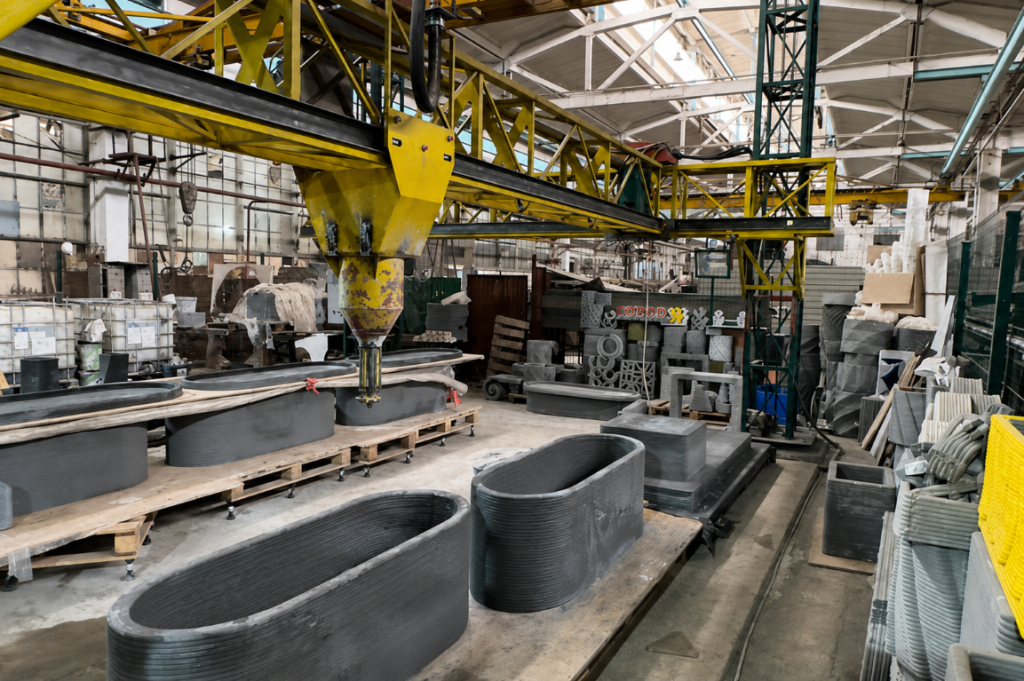
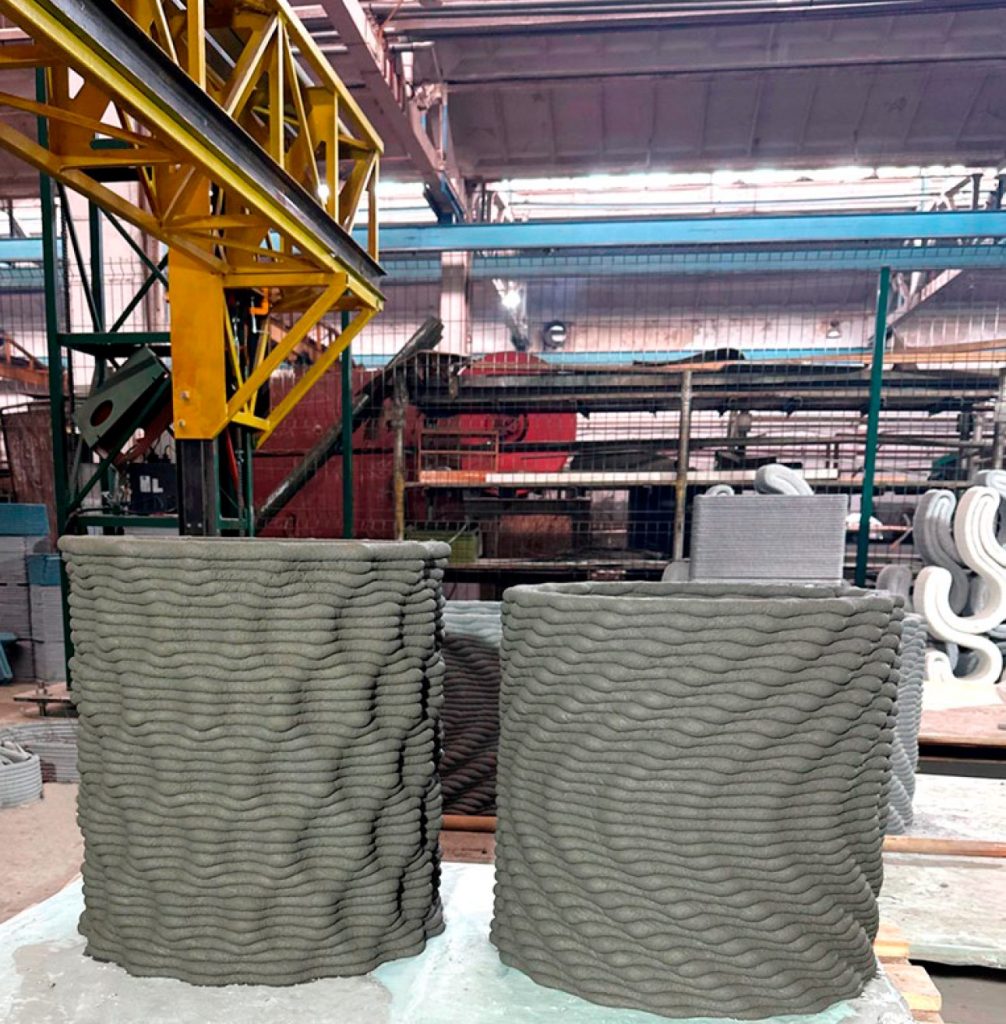
My name is Roman Mozhaev, Founder and Managing Director of AddLine Technologies, a Bulgaria-based deep-tech company developing industrial robotic solutions for 3D concrete printing. Our gantry-based platform enables precise material deposition and geometry optimisation, helping reduce excessive cement consumption, construction waste and the associated CO₂ emissions. In the future, the platform can also serve as a test and deployment environment for new low-carbon and CO₂-absorbing printable materials, including emerging biocomposite solutions being developed by European research institutions.
2. Before joining HARD2SCALE, what were the main challenges your startup faced when approaching Energy Intensive Industries or Hard-to-Abate sectors?
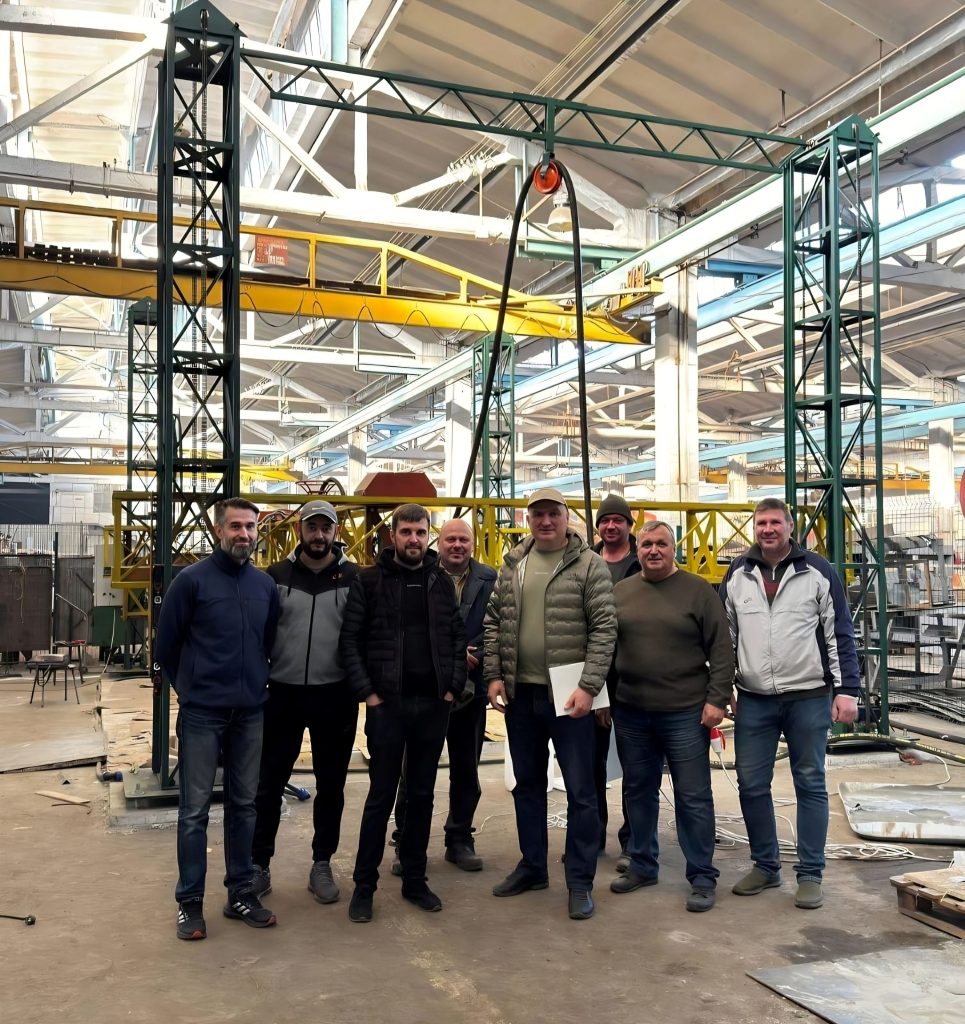
Before joining HARD2SCALE, the main challenge for AddLine Technologies was securing sufficient funding to build a full-scale industrial demonstration system in Europe. We already have a working prototype, an engineering team capable of adapting the technology, supporting certification and working with different printable mixtures, as well as potential pilot customers interested in ordering our equipment.
However, moving from a tested prototype to commercial deployment requires demonstrating a full-scale industrial system under real operating conditions. Such a system would validate productivity, reliability, project economics, reduced cement consumption, lower material waste and the associated CO₂ emission reductions. The key barrier is the significant upfront capital required for this stage, which is difficult for a young deep-tech company to finance solely from its own resources.
3. What motivated you to apply to the HARD2SCALE programme, and what were your initial expectations?
We applied to HARD2SCALE because the programme is directly focused on deep-tech and cleantech solutions for energy-intensive and hard-to-abate industries, including cement, construction materials and industrial automation. This closely matches the direction of AddLine Technologies and our goal of making 3D concrete printing more accessible while reducing excessive cement-based material use, construction waste, energy consumption, logistics requirements and the associated CO₂ emissions.
Our primary expectation was to receive practical support in developing a funding strategy for a full-scale industrial demonstration system. We also expected to strengthen the company’s investment readiness, refine our financial model and investment proposition, identify suitable European grant opportunities, and build a clear roadmap from the validated prototype to certification, serial production and commercial scaling across Europe.
4. Which activities or components of the programme were most relevant to your startup, and why?
For AddLine Technologies, the most relevant parts of the programme are those that can help us move from a working prototype to a full-scale industrial demonstration system. In particular, Go-2-Funding, investment readiness and project-proposal development are highly important for us.
We need to build a clear financial model and understand how to combine private investment, European grants and corporate funding in the most effective way. Support in preparing for investor discussions and identifying the right funding programmes is also very valuable.
At the same time, we want to communicate not only the technical side of the project, but also its practical impact: reducing cement-based material consumption, waste, energy use, logistics and the associated CO₂ emissions.
The Go-2-Market activities are also important because they help us position AddLine not simply as a 3D printer manufacturer, but as an industrial platform for construction automation and the deployment of low-carbon cement-based materials.
5. What concrete progress or results has your startup achieved during the programme so far?
The HARD2SCALE programme has only recently started for us, so the main practical results are still ahead. However, our participation has already helped us define the key objective of our current development stage more clearly: securing funding for a full-scale industrial demonstration system in the European Union.
We have started to structure our development strategy, refine the positioning of AddLine Technologies for energy-intensive and hard-to-abate sectors, and establish a clearer connection between our technology and the reduction of cement-based material consumption, construction waste, energy use, logistics requirements and CO₂ emissions.
We have also begun updating our presentation and investment materials, outlining the structure of a future pilot project, and identifying the data that will need to be measured and validated through the industrial demonstration system. This is an important first result for us, as the transition from prototype to commercial deployment is now being organised into a clear and practical roadmap.
6. How has HARD2SCALE influenced your technology, business model, or go-to-market strategy for EII and HtA sectors?
HARD2SCALE has helped us look at AddLine Technologies from a broader perspective and define the project’s value for energy-intensive and hard-to-abate sectors more clearly. We are increasingly positioning the company not simply as a manufacturer of construction 3D printers, but as a developer of an industrial platform for concrete-construction automation, optimised cement-based material use and the deployment of low-carbon mixtures.
The programme has also encouraged us to take a more structured approach to market entry. We are separating the potential applications of the technology into clear segments, including building construction, infrastructure and industrial concrete components, and will develop a specific value proposition and pilot scenario for each one.
In addition, we are placing greater emphasis on measurable environmental impact. In future pilots, we plan to assess material consumption, waste, energy use, logistics, project timelines and the associated CO₂ emissions. This should make the technology easier to evaluate for industrial partners, investors and European funding programmes.
7. How has your understanding of the EII and Hard-to-Abate sectors evolved since the programme began?
Since the programme began, we have developed a clearer understanding that introducing a new technology to energy-intensive and hard-to-abate sectors requires more than demonstrating technical performance. It is also necessary to show how the solution fits into existing industrial processes, which costs it can reduce and what measurable environmental impact it can deliver.
For AddLine Technologies, this means that our market approach should not focus only on the speed and automation of 3D concrete printing. We also need to validate savings in cement-based materials, reductions in waste and manual labour, fewer transport operations and the associated decrease in CO₂ emissions.
It has also become clearer that successful deployment will require close cooperation with industrial partners, including cement producers, construction-material companies, chemical-admixture suppliers and construction contractors. Joint testing and pilot projects will be essential for adapting both the equipment and printable mixtures to real industry requirements.
| For AddLine Technologies, HARD2SCALE has been less about proving the technology — the prototype already works — and more about building the case and the capital to scale it. The programme has helped Roman Mozhaev’s team reframe AddLine from a 3D-printer manufacturer into an industrial platform for automated, low-carbon construction, and to structure a clear roadmap from working prototype to a full-scale European demonstration system. With a sharper investment story, measurable environmental metrics and access to Europe’s deep-tech and industrial networks, the company is now focused on securing the funding and partners needed to bring cleaner, more efficient concrete construction to market at scale. |

Leave a Reply